logo
Inicio

Blog ACERCA DE What Is a Class D Amplifier Board? A Complete Beginner's Guide to Design, Benefits, and Applications

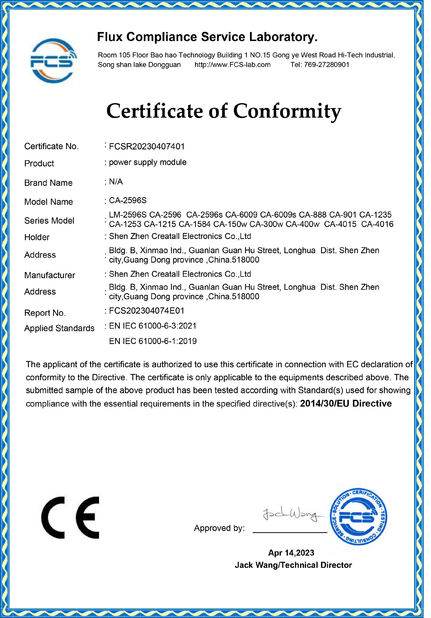
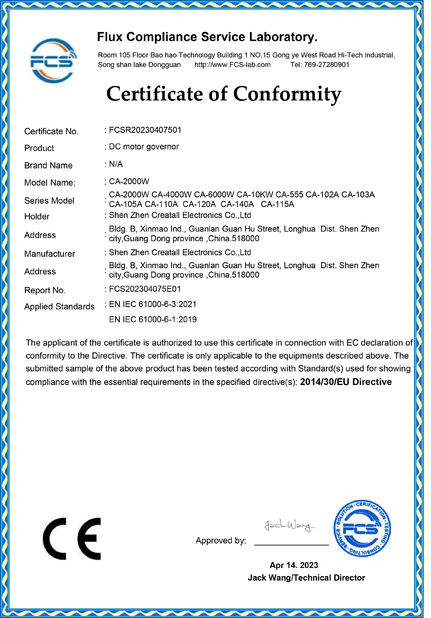
Certificación
Porcelana Shenzhen Creatall Electronics Co., Ltd. certificaciones
Comentarios de cliente
¡Los grandes productos de un buen proveedor, mercancías están trabajando agradable el ⭐⭐⭐⭐⭐ que ordenaré otra vez para agradecerle!

—— Regalo Adonsi

Recibí mi paquete a tiempo que todo fue hecha bien sobre tablero el vendedor era muy útil. La calidad del producto es muy buena. No vacilo hacer negocio con ellos otra vez.

—— De todos modos Violah

comunicación de la sincronización perfecta n perfecta en la información de producto perfecta encendido después de ayuda de las ventas perfeccione en tiempo de envío

—— Ismail Khamis

El módulo de la calidad tan buena es proporcionado por el vendedor. Y fácil comunicar la respuesta muy rápida también.

—— Sayanik Mandal

¡Un qué buen servicio del creatAll, muy responsable! ¡Buen trabajo! Agradable tener un negocio con u

—— Erick Setiawan

Estoy en línea para chatear ahora
Compañía Blog
What Is a Class D Amplifier Board? A Complete Beginner's Guide to Design, Benefits, and Applications
últimas noticias de la compañía sobre What Is a Class D Amplifier Board? A Complete Beginner's Guide to Design, Benefits, and Applications

What Exactly Is a Class D Amplifier Board?

A Class D amplifier board is a compact electronic module that amplifies an audio signal using switching technology rather than traditional linear circuitry. Instead of leaving its output devices in a continuously conducting state, a Class D design rapidly switches them on and off thousands of times per second. Because the transistors spend most of their time either fully on or fully off, they waste very little energy as heat. That efficiency is the defining trait of Class D and the reason these boards are now found everywhere from portable speakers to car audio and professional subwoofers.

How a Class D Amplifier Board Works

  1. Input and modulation. The incoming analog audio is compared with a high-frequency triangle wave to create a pulse-width-modulated (PWM) signal.
  2. Switching stage. Power MOSFETs switch on and off according to the PWM width, chopping the supply rail into high-frequency pulses.
  3. Filtering. An output low-pass filter removes the switching frequency and reconstructs the original audio waveform.
  4. Feedback. Most modern designs feed part of the output back to correct errors and reduce distortion.

In essence, the board encodes the audio as the "duty cycle" of a fast pulse train, then smooths it back into sound at the speaker terminals.

Class D vs. Class A and Class AB: A Quick Comparison

Feature Class A / AB Class D
Efficiency Low to moderate (30–70%) Very high (80–95%)
Heat output High — large heatsinks needed Low — compact cooling is enough
Size & weight Bulky and heavy Small and lightweight
Power from a given supply Limited Very high
Typical use Hi-fi purist amps Portable, car, subwoofer, PA

Key Benefits of Class D Amplifier Boards

  • High efficiency. Less power is lost as heat, so batteries last longer and designs stay cool.
  • Compact size. Boards can be built small enough to fit inside active speakers and handheld devices.
  • Strong power density. High output from a modest supply voltage makes them ideal for subwoofers.
  • Lower cost at scale. Integrated Class D chips simplify assembly and reduce component count.
  • Good modern sound. Today's designs rival linear amplifiers for most listening purposes.

Common Applications

Class D boards power Bluetooth and portable speakers, soundbars, car audio amplifiers, active studio monitors, subwoofer plate amps, and many DIY audio projects. Their combination of efficiency and small footprint makes them the default choice wherever space or battery life matters.

What Beginners Should Know Before Buying

  • Match the power supply. Check the required voltage and current; under-powering a board causes distortion and shutdowns.
  • Check the impedance rating. Stay within the supported speaker impedance range (commonly 2–8 ohm).
  • Plan the cooling. Even efficient boards need some airflow at high power.
  • Look at the filter and feedback design. Better filtering and feedback mean cleaner sound.
  • Verify the input type. Confirm whether the board accepts analog, Bluetooth, or digital inputs before wiring it in.

Frequently Asked Questions

Does Class D sound worse than Class AB? Early designs did, but modern Class D boards are highly accurate and hard to distinguish in normal use.

Why does my Class D board still get warm? Efficiency is high but not perfect; a little warmth is normal, while excessive heat signals a supply or load problem.

Can I use a Class D board for a subwoofer? Yes—low frequencies are where Class D excels, thanks to its high power density and efficiency.

Tiempo del Pub : 2026-09-23 09:59:08 >> Lista del blog
Contacto
Shenzhen Creatall Electronics Co., Ltd.

Persona de Contacto: Miss. Alva Cheng

Teléfono: +86-13827494627

Fax: 86-755-85270755

Envíe su pregunta directamente a nosotros (0 / 3000)